Glutathione side effects depend on how the tripeptide is formulated and studied. Oral trials generally report a different safety picture from intravenous research. In 2026, FDA also reported illnesses linked to compounded injectable glutathione made with an unsuitable dietary-supplement-grade ingredient.
Quick answer: Glutathione side effects reported in human studies vary by formulation and route. Oral studies have reported gastrointestinal symptoms, while intravenous studies describe a broader range of adverse events. FDA's 2026 alert links a cluster of illnesses to certain compounded injectable products made with dietary-supplement-grade glutathione and elevated endotoxin levels, a product-quality problem rather than proof of a general effect of the glutathione molecule.
What glutathione side effects have oral trials reported?
Glutathione is a small tripeptide made from glutamate, cysteine and glycine. It is present in cells and helps maintain redox balance. Its reduced form is commonly abbreviated GSH, while its oxidized form is GSSG.
The GSH/GSSG system participates in antioxidant defence and cellular responses to oxidative stress. Researchers have studied glutathione in nutrition, metabolism, dermatology and several disease settings. It is important to separate those research questions. A change in blood glutathione does not automatically demonstrate a clinical benefit, and a tolerability finding from one formulation does not establish the safety of another.
What side effects have oral trials reported?
Oral glutathione has been examined in randomized studies of healthy adults. A 2015 double-blind, placebo-controlled trial enrolled 54 non-smoking adults and followed them for six months. The study measured glutathione levels in blood and several cell types. Its PubMed abstract reports changes in glutathione stores but does not provide a detailed adverse-event table. The study therefore supports a discussion of human biomarker research, not a precise estimate of side-effect frequency.
A 2026 randomized crossover study compared oral formulations in 14 healthy adults. A subsequent 30-day follow-up examined the formulation with the highest measured bioavailability. The authors reported no significant changes in several clinical safety markers. They also reported moderate bloating twice and moderate nausea three times, with other symptoms described as mild. This is a small pilot, and the findings apply to the tested formulation and observation period.
A separate 2026 comparison of an orally dissolving film and conventional tablets reported no adverse events during its four-week supplementation phase. That finding is encouraging for the specific formulations and participants studied. It does not prove that every oral glutathione product will have the same tolerability profile.
Together, these oral studies suggest that short-term gastrointestinal symptoms can occur, but the available trials are not large enough to characterize rare reactions or long-term safety across all formulations.
What has intravenous research reported?
Intravenous glutathione has been studied in small clinical settings. A randomized, double-blind pilot trial in 21 people with Parkinson's disease compared intravenous glutathione with placebo. The investigators reported that glutathione was well tolerated. No participant withdrew because of an adverse event, and reported events were similar between groups. The trial was small and lasted only a short period. It cannot establish safety for broader populations or prolonged exposure.
An FDA briefing document reviewing intravenous glutathione studies from 1996 through 2018 summarized reported adverse events. It listed abnormal liver-function tests and anaphylaxis among severe events that led to discontinuation. Other reports included infusion-site reactions, nausea, diarrhea, abdominal cramps, dizziness and skin reactions. These reports came from a heterogeneous evidence base. They should not be combined into a single incidence rate without comparable study denominators.
What did FDA report in 2026?
On August 27, 2026, FDA warned compounders not to use dietary-supplement-grade glutathione to prepare injectable drugs. The agency reported at least 30 patients with adverse events after receiving intravenous glutathione, alone or in combination with other ingredients. The glutathione involved was labelled dietary supplement grade, which FDA said was not appropriate for making injectable drugs.
FDA also reported that two Texas pharmacies had conducted recalls because of elevated endotoxin levels in injectable glutathione products. Reported symptoms included fever, chills, pain, dizziness, signs of shock and sepsis-like symptoms. Some patients were hospitalized. FDA said the pattern was consistent with exposure to excessive endotoxin levels.
The Centers for Disease Control and Prevention also described an investigation into illnesses associated with glutathione injections. It noted that ingredients intended for dietary supplements should not be used to compound injectable drugs because contaminants, including endotoxins, can expose patients to harm.
This distinction is central. The 2026 event concerns compounded product quality and an unsuitable ingredient grade. It should not be rewritten as proof that oral glutathione or all pharmaceutical-grade glutathione causes the same event pattern.
What do the studies show?
What do the studies show
| Study or source | Model and size | Reported safety findings | Evidence type |
|---|---|---|---|
| Richie et al., 2015 | Six-month randomized oral study; 54 healthy adults | Abstract focuses on glutathione biomarkers and does not provide a detailed adverse-event rate | Human oral |
| Solnier et al., 2026 | Oral formulation crossover; 14 adults, with 30-day follow-up | Two moderate bloating events and three moderate nausea events; other symptoms mild; no significant changes in reported clinical safety markers | Human oral |
| 2026 oral film comparison | Randomized oral formulation comparison; healthy adults | No adverse events reported over the four-week phase | Human oral |
| Mischley et al., 2009 | Randomized intravenous pilot; 21 participants with Parkinson's disease | No withdrawals due to adverse events; events similar between groups | Human intravenous |
| FDA, 2022 briefing | Review of five intravenous studies from 1996–2018 | Included abnormal liver-function tests and anaphylaxis among severe reported events | Regulatory evidence review |
| FDA, August 2026 | Compounded injectable product safety alert | At least 30 patients with adverse events; endotoxin-related illness suspected | Regulatory surveillance |
The table shows why route-specific reporting matters. Oral biomarker studies, small intravenous trials and contamination alerts answer different safety questions.
Is glutathione FDA-approved?
Glutathione is naturally present in human cells and is sold in dietary supplement products. That does not mean FDA has approved glutathione as a drug for every proposed use. The FDA alert concerns compounding injectable products and ingredient quality. It does not confer approval on an injectable glutathione product.
There is no FDA approval for glutathione as an injectable skin-lightening treatment. Researchers should distinguish regulatory status for a particular formulation and indication from the fact that glutathione is an endogenous compound.
Product and research information
Vitrapep sells glutathione for laboratory research use only. It is not for human or veterinary use. See the glutathione product page, glutathione complete guide, glutathione redox mechanism and glutathione skin-lightening evidence.
FAQ
What are common oral glutathione side effects?
Small oral studies have reported gastrointestinal symptoms, including bloating and nausea. Rates vary by formulation and study, and the evidence base is not large enough to establish rare-event frequencies.
Can intravenous glutathione cause serious adverse events?
Small trials have reported a range of adverse events. FDA's 2026 alert described serious illnesses associated with certain compounded injectable products and suspected endotoxin contamination.
Were the 2026 FDA cases caused by glutathione itself?
FDA linked the event cluster to compounded products made with dietary-supplement-grade glutathione and elevated endotoxin levels. The alert does not establish that glutathione itself caused those reactions.
Is oral glutathione the same as injectable glutathione?
No. Formulation, ingredient grade, route and exposure differ. Safety results from oral supplement studies cannot establish injectable product safety.
Is glutathione an FDA-approved skin-lightening drug?
No. FDA has not approved glutathione as an injectable skin-lightening treatment.
What to know now
- Small oral studies report generally limited short-term tolerability concerns, including occasional gastrointestinal symptoms.
- A small intravenous Parkinson's disease trial reported no withdrawals due to adverse events, but it cannot establish broad or long-term safety.
- FDA's 2026 warning concerns endotoxin and ingredient-grade problems in certain compounded injectable products.
What we’re watching
- FDA and CDC updates on the 2026 injectable glutathione illness investigation and any additional recalls.
- Larger controlled studies comparing oral formulations and reporting adverse events consistently.
- Better clinical evidence separating glutathione's biological effects from the quality risks of compounded preparations.
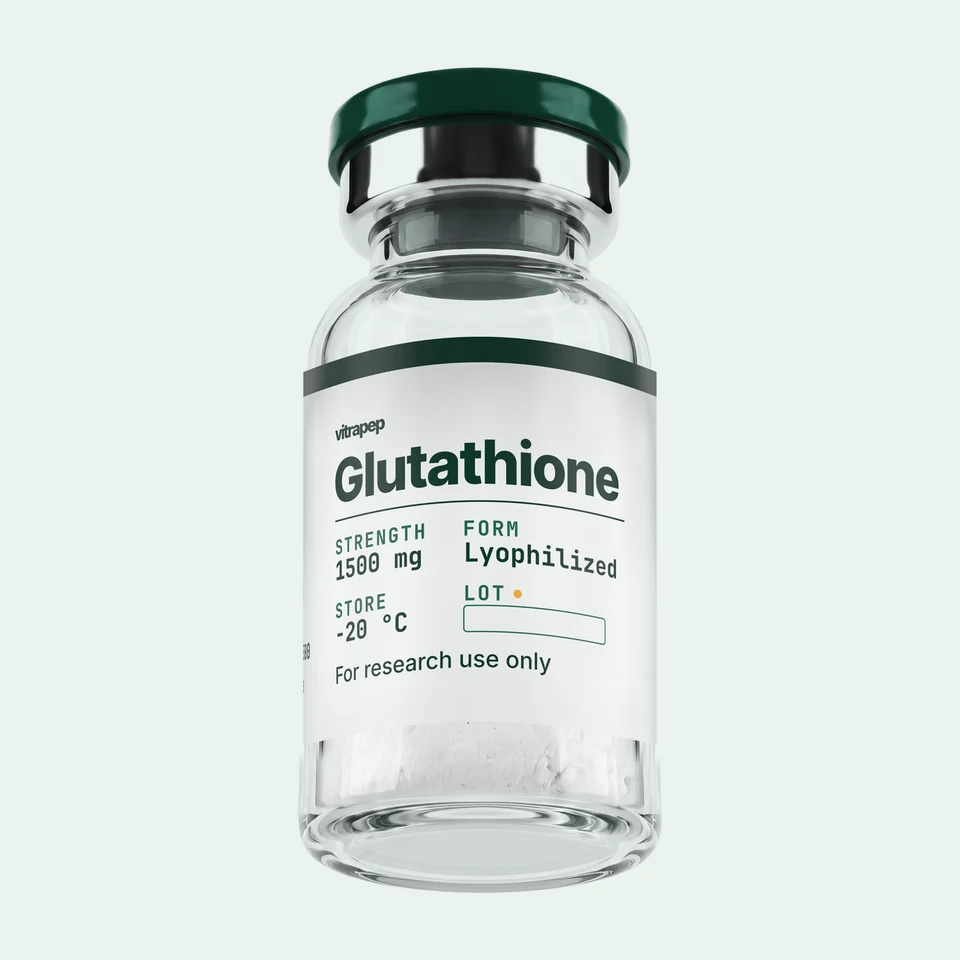
Glutathione product page
Specifications for the glutathione product page sold for laboratory research. COA available with each lot.